Using autologous white blood cells such as NK cells and T cells
A method of culturing autologous immune cells to prevent cancer or treat cancer in parallel
What is Immune Cell Therapy?
Immune cell therapy is a treatment that helps restore the body’s natural immune power. After drawing the patient’s blood or using apheresis, immune cells are separated from the white blood cells and then safely cultured in a Cell Processing Center (CPC) for about two weeks. During this process, the immune cells become more active, and depending on the type of autologous immune cells, they can multiply up to 1,000-fold. Once sufficiently expanded, these immune cells are reintroduced into the patient’s body to actively perform their immune functions.
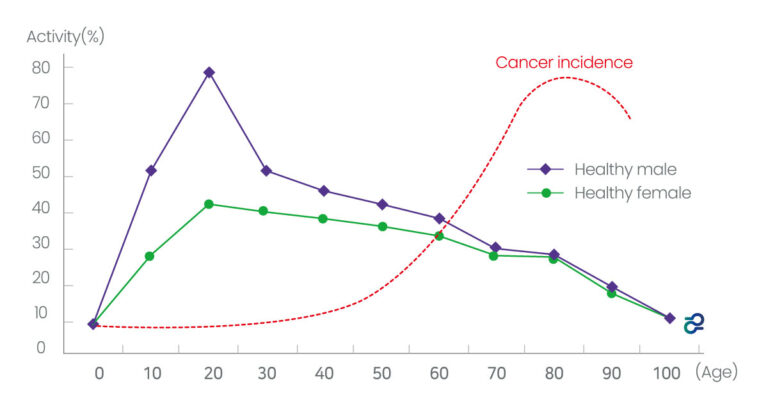
Once infused, the strengthened and increased immune cell population acts for approximately two weeks, targeting and eliminating cancer cells, viruses, or malfunctioning cells. The immune cells which had reduced function due to aging or disease regain their ability to act powerfully.
If you've been diagnosed with cancer, there are several different types of immunotherapy available.
Types of Immunotherapy
Immunotherapy involves activating or suppressing the immune system to treat diseases. When designed to trigger or amplify immune responses, it is classified as activating immunotherapy, while approaches that reduce or suppress immune activity are classified as suppressive immunotherapy.
In general, when the purpose is anti-aging or improving immune function, there are no specific antigens to train the immune system against. Therefore, Activated NK Cell Immunotherapy is the most commonly used approach.
• Features : Rapid response; NK cells can identify and eliminate harmful cells such as cancer cells without prior antigen training.
• Appropriate For : Cancer adjunct treatment; preventing recurrence; boosting immunity.
Dendritic Cell Therapy (DC Therapy)
• Features : Tumor-specific immune response; formation of long-term immune memory.
• Appropriate For : Progressive or recurrent cancer; as a complement to standard treatments.
T Cell Therapy (CIK / CTL / CAR-T)
• Features : Strong tumor suppression; highly personalized. Uses T cells and sometimes NKT cells.
• Appropriate For : Solid tumors and hematologic cancers; difficult-to-treat cancers.
A treatment that directly enhances immune function
Immunotherapy : Treatment Schedule & Maintenance
For Cancer Patients
■ Frequency: Once every 1–2 weeks
■ 1 cycle = 6 treatments
■ Depending on the patient’s condition, 1 to 2 cycles may be needed
For Prevention / Immunity-Boosting
■ Initial stage: Once every 4–5 weeks, for about 3 sessions (exact number may vary with age)
■ Non-cancer patients often start with a half-cycle or less, possibly combining with other cell therapies, and adjust intervals accordingly
Treatment Process
The following flowchart outlines the treatment process for regenerative immunotherapy using a patient’s own activated NK cells. Depending on the patient’s condition, this series of steps may be repeated multiple times to achieve optimal results.
Step 1 : Consultation
During the consultation, you are encouraged to freely share your symptoms and concerns. The physician will provide a detailed diagnosis and explain regenerative medicine treatments and procedures in depth.
Step 2 : Preliminary Blood Tests | NK Activity Test | Blood Collection
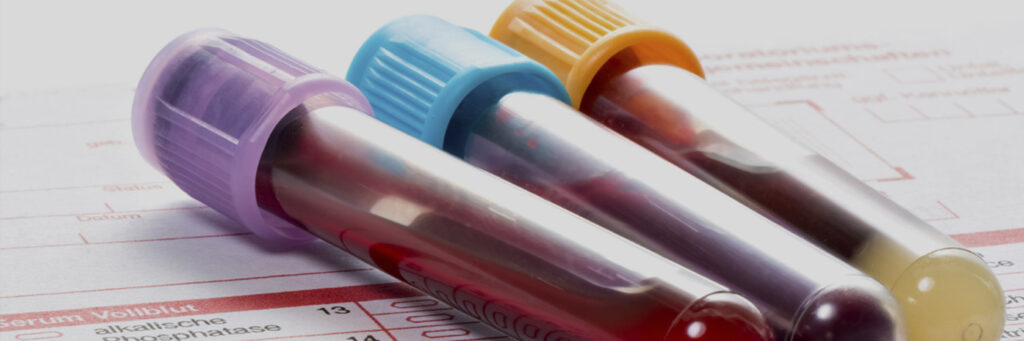
To assess your health status, standard virus and bacterial tests are performed along with an NK cell activity test. About 50 cc of blood is collected for immune cell culture. Blood is drawn only at the designated medical institution and immediately transferred to the laboratory to preserve cell activity. (Note: Freezing or storing cells prior to separation and culture is generally not recommended.)
Step 3 : NK Cell Culture & Activation
NK cells or other immune cells separated from the blood are selectively activated and cultured in a safe Cell Processing Center (CPC).
■ NK cell culture typically requires about 2 weeks
■ Dendritic cell culture may require up to 4 weeks
Before the cultured cells are returned to the hospital, they undergo strict quality checks, including contamination testing, to ensure safety.
Step 4 : Infusion of Cultured Autologous Immune Cells
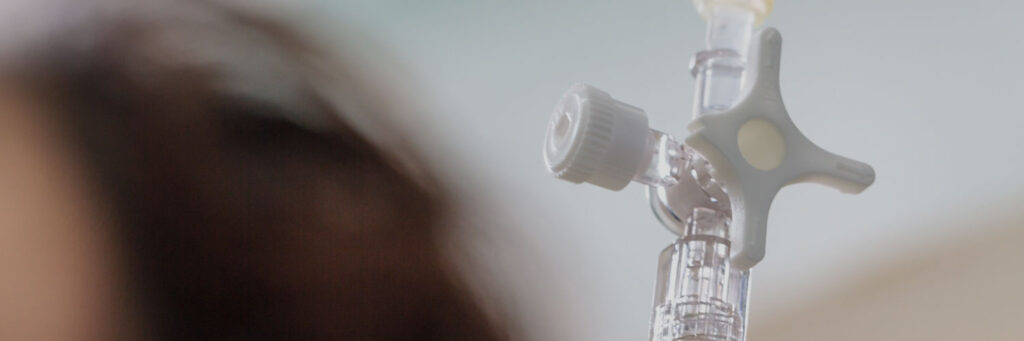
The expanded and activated NK cells are reintroduced into the body through intravenous infusion. This procedure usually takes 30 minutes to 1 hour, depending on the patient’s vascular condition and overall health.
Step 5 : NK Activity Test & Follow-up Report
Based on the patient’s health condition, additional infusions may be required every 2–4 weeks.
Treatment is typically repeated at least 3 to 6 times, and after these cycles, follow-up immune function tests are conducted to evaluate improvements.
(The specific process may vary by hospital.)