Stem Cell Therapy Process
The process of restoring health using healthy stem cells
Restoring health through culturing and injecting umbilical cord-derived stem cells or autologous stem cells
Basic Process for Stem Cell Therapy
Step 1. Pre-Consultation & Medical Assessment via Questionnaire
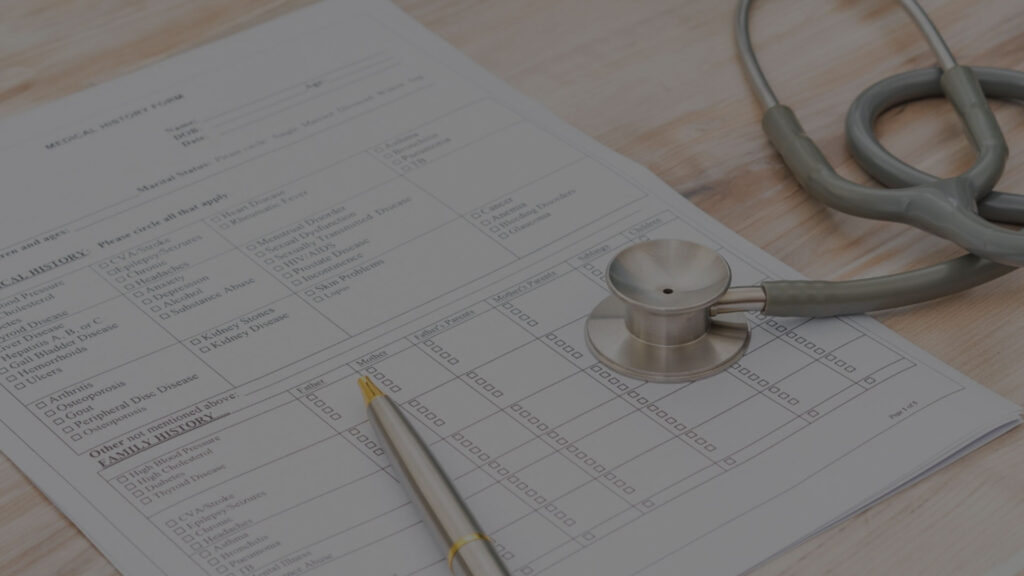
Clients complete the CellupMed medical questionnaire, which includes symptoms, medical history, and lifestyle habits.
If available, clients may also submit previous health check results, medical certificates, medical records, or imaging files (CT/MRI) for a more accurate evaluation by our specialists.
Even healthy individuals seeking anti-aging treatment are required to complete the basic health and lifestyle questionnaire.
This is part of CellupMed’s unique and precise assessment process to ensure safety and personalized treatment planning.
Step 2. Required Tests (Blood Tests · Infection Screening · Tumor Markers)
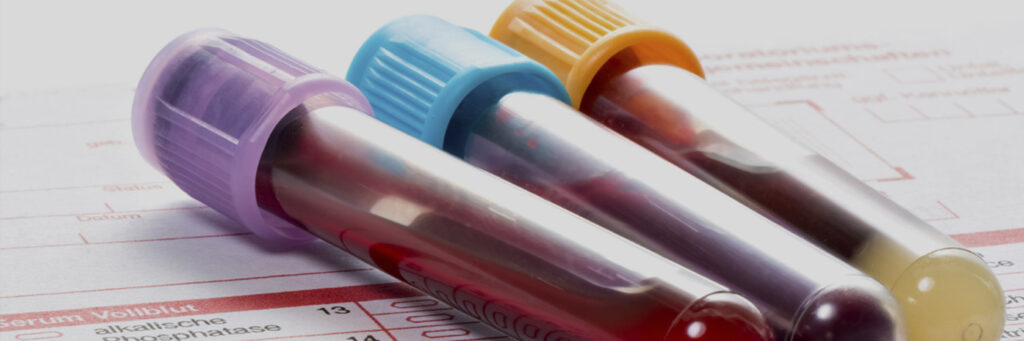
Before stem cell therapy, patients may undergo mandatory blood tests, infection screening, and tumor marker evaluations.
The exact tests performed may vary depending on the purpose of treatment and the patient’s condition.
For minor patients, certain examinations may be exempted based on clinical judgment and medical regulations in each country.
Ask our team Doctor about your health.
Step 3. Stem Cell Preparation (UC-MSC / Autologous Adipose)
The preparation process differs depending on the type of stem cells used.
- Umbilical Cord–Derived Mesenchymal Stem Cells (UC-MSCs) Since these cells are already prepared through certified cell banks, no fat harvesting procedure is required.
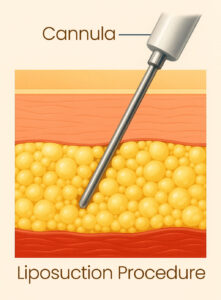
- Autologous Adipose-Derived Stem Cells To obtain these stem cells, a fat harvesting procedure is required, typically from the abdomen or other fat-rich areas such as the thighs. The harvested fat is then processed to isolate and expand the stem cells.
Step 4. Stem Cell Administration
Stem cells are delivered either through IV infusion or targeted local injection
in a sterile and controlled clinical environment.
Step 5. Recovery & Monitoring
Patients typically rest briefly after the procedure and can return the same day.
Follow-up monitoring may be recommended depending on the treatment.
Step 6. Aftercare & Follow-up Program
Post-treatment guidance, lifestyle recommendations, and additional therapy planning
are provided for optimal results.