Adipose Derived Stem Cells

Adipose-derived stem cells (ADSCs), are a type of mesenchymal stem cell found in fat tissue.
Adult fat stem cells

What are adipose-derived stem cells?

In scientific terms, different categories of stem cells exist with varying levels of differentiation potential. Stem cells are unique cells capable of self-renewal and differentiation into specialized cell types in the body.

The stem cells found in fat (adipose) tissue are known as adipose-derived stem cells (ADSCs). These cells belong to a group known as mesenchymal stem cells (MSCs).

Under appropriate biological conditions, ADSCs can differentiate into several specialized cell types including fat cells, bone cells, cartilage cells, and muscle cells. These biological characteristics make adipose-derived stem cells an important component in the body’s natural repair and regenerative processes.

Adipose tissue is considered one of the richest and most accessible sources of mesenchymal stem cells in the human body. Compared to other stem cell sources, adipose tissue can provide a relatively high number of regenerative cells.

[Definition]
Adipose-derived stem cells (ADSCs)
Stem cells isolated from adipose (fat) tissue that belong to the mesenchymal stem cell family.

adsc differentiation

Characteristics of Adipose-Derived Stem Cells

Adipose stem cells are mesenchymal stem cells with regenerative functions. These cells help support tissue repair and regeneration through several biological mechanisms.

Fat Tissue Maintenance
Injected stem cells may help support the maintenance of adipose tissue and reduce the loss of fat tissue.

Supporting Blood Vessels
Blood vessels supply oxygen and nutrients to fat tissue, allowing more cells to survive.

Formation of New Blood Vessels (Angiogenesis)
Stem cells release signaling molecules that stimulate surrounding tissues to form new blood vessels.

Cellular Support and Replacement
When nearby cells are damaged or die, stem cells can help replace them by differentiating into new adipose cells, supporting the stability of fat tissue.

Why Adipose Tissue Is a Valuable Source of Stem Cells

Adipose tissue has become an important focus in regenerative medicine research because of several biological advantages.

Abundant Stem Cell Source
Adipose tissue contains a relatively high concentration of mesenchymal stem cells compared to many other tissues.

Minimally Invasive Collection
Stem cells can be obtained from adipose tissue through procedures that are generally less invasive than bone marrow extraction.

Regenerative Biological Activity
Adipose-derived stem cells produce growth factors and signaling molecules that support tissue repair and regeneration.

Support for Tissue Healing
Because of these properties, adipose derived stem cells have been widely studied in regenerative medicine and tissue engineering. In certain clinical settings, ADSCs are also used in procedures such as fat grafting, reconstructive treatments, aging-related diseases and aesthetic medicine. 

Scientific Research on Adipose-Derived Stem Cells

Stem Cells from Adipose Tissue have been widely studied in regenerative medicine and biomedical research. In addition to ongoing scientific research, Stem Cells from Adipose Tissue are also used in certain clinical procedures such as fat grafting, reconstructive treatments, and aesthetic medicine. Scientists continue to investigate their biological properties and therapeutic potential. Research has explored the possible applications of ADSCs in several areas, including:
  • tissue regeneration
  • orthopedic conditions
  • wound healing
  • vascular regeneration
  • aesthetic and reconstructive medicine
The regenerative potential of ADSCs is primarily associated with their ability to release growth factors, cytokines, and signaling molecules that support tissue repair. However, clinical outcomes may vary depending on patient condition, treatment protocol, and medical regulations in different countries.

Safety and Clinical Considerations

Stem cell therapies are part of an evolving field of medical science and clinical medicine. The availability and clinical use of stem cell treatments may vary depending on national medical regulations and approved treatment frameworks.

In some countries, stem cell therapies are provided by licensed medical institutions under established regulatory systems. For example, in Japan, certain regenerative medicine treatments may be offered within a regulated medical framework designed to ensure patient safety and clinical oversight.

Clinical practices involving stem cells may therefore differ depending on the regulatory environment, treatment protocols, and medical guidelines of each country.

Patients should always consult qualified medical professionals to determine whether a specific stem cell therapy is appropriate for their individual medical condition.

Treatment Possibilities

Adipose stem cell Indications

Fat Stem Cells Use

Body Shape: Cosmetic Enhancements

Cosmetic enhancements using fat tissue can give the body new volume. Fat tissue extracted from ample areas is re-injected into weaker areas to give patients their ideal figure. Previously, when only fat tissue was transplanted, the fat was absorbed and the engraftment rate was low, but when adipose stem cells were added, the engraftment rate was high. Fat graft with adipose derived stem cells make it easy for getting the perfect figure naturally.

Adipose derived Stem Cell Therapy

Facelifts: Lift Up & Rejuvenation

Adipose derived stem cell injections can help visibly reduce signs of aging by filling in wrinkles and giving skin new elasticity. Adipose-derived stem cell treatment are long-lasting and more effective than transplanting fat alone. Over the past decade, fat and adipose stem cell transplantation has been widely used as a new anti-aging alternative. The weakness is that you need to extract a lot of your own fat to increase volume. This is a difficult method for thin patient. Recently, a new stem cell therapy has emerged.
Fat Stem Cell Therapy

Intravenous Administration: Anti-Aging and Chronic Condition Management

When adipose-derived stem cells are administered intravenously, they may circulate throughout the body via the bloodstream and interact with various tissues and organs. This approach aims to support overall physiological balance and promote general health by utilizing the regenerative and anti-inflammatory properties of stem cells.
Stem cells delivered through the bloodstream may help support the recovery of damaged tissues and contribute to the regulation of chronic inflammation. For this reason, intravenous stem cell administration may be incorporated into certain anti-aging programs or metabolic health management approaches, including conditions such as diabetes.


cellupmed team doctor

Ask our team Doctor
about your health.


    Fat Stem Cells, easy to obtain from adults

    The characteristics of adipose derived stem cells?

    Fat stem cells have many strengths. It has been widely used for 10 years. Even today, it is a good method for volume-up plastic surgery.

    FAQ

    What are adipose-derived stem cells?

    Adipose-derived stem cells are mesenchymal stem cells obtained from adipose (fat) tissue that have the ability to differentiate into several types of cells and support tissue repair.

    Are adipose stem cells the same as mesenchymal stem cells?

    Adipose-derived stem cells are a type of mesenchymal stem cell. Mesenchymal stem cells can be found in several tissues including bone marrow, adipose tissue, and umbilical cord tissue.

    Why is fat tissue used as a stem cell source?

    Fat tissue is considered a valuable source because it contains a relatively high number of stem cells and can often be collected through less invasive procedures.

    What do adipose stem cells do in the body?

    Adipose stem cells help support tissue repair by differentiating into certain cell types and by releasing signaling molecules that assist regeneration processes.

    Fat Stem Cells Therapeutic Process

    The primary process for autologous adipose derived stem cell transplants are as follows.

    cell treatment doctor consultation cellupmed
    Step 1 : Counseling
    During your counseling session, you can feel free to tell us about your symptoms and concerns, and one of our doctors will provide you with a thorough diagnosis. During your examination, a doctor will explain to you about regenerative medicine therapy and the details of the procedures you will undergo.
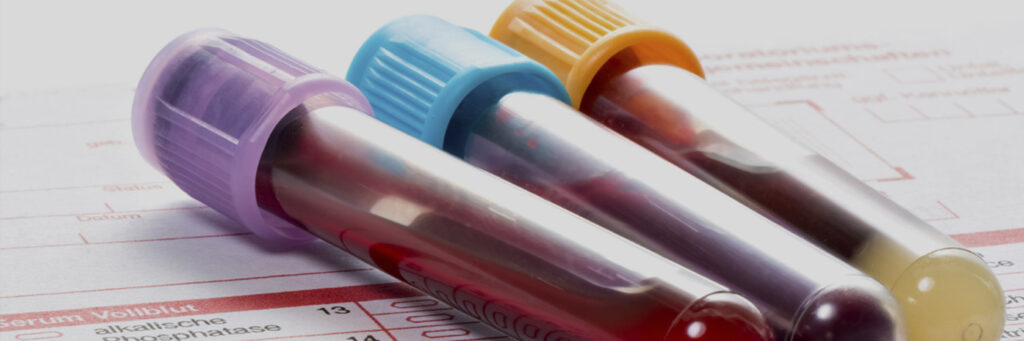
    Step 2 :Blood test

    This is done in order to test for standard viruses and bacteria. Only the patients whose test results mark them as candidates will be allowed to undergo the therapy.

    Step 3 : Harvesting of fat tissues

    In this procedure, we will make a small incision (a few millimeters wide) on your abdomen or another suitable site to harvest a small number of cells. You will be given a local anesthetic, so you will feel very little pain.

    Fibroblast therapy progress
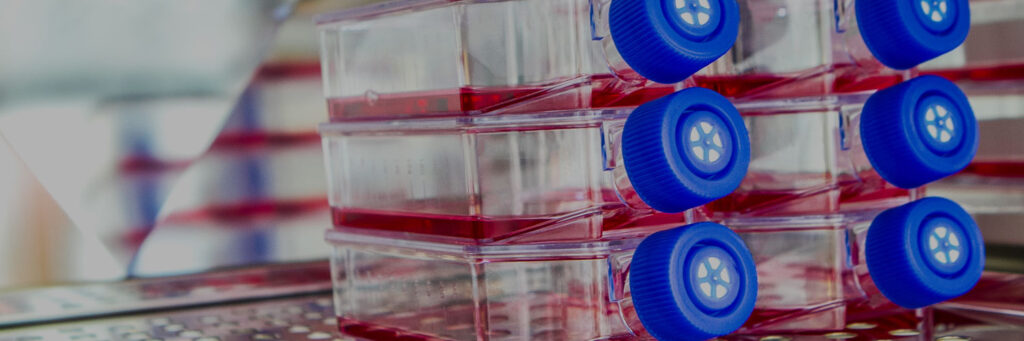
    Step 4 : Cell cultivation
    Our laboratories have been awarded status as a “Manufacturer of Specially Designated Cellular Compounds”. In these laboratories, cells are cultured for 4-5 weeks under strict standards.
    Step 5 : Administration of infusion
    Around four to five weeks later, you will be administered an infusion of the cultured stem cells over a period of approximately an hour and a half to two hours. Depending upon the number of administrations, step 5 may be repeated.
    Test
    Step 6 : Free physical examination

    We recommend that you come in for free physical examination several months after your transplant. A doctor will explain your progress to you. If you wish, following your second transplant you can opt to have cultured cells for a further three procedures stored for the future via cryopreservation as a means of “cell banking”.

    cellupmed team doctor

    Ask our team Doctor
    about your health.


      ※ References

      1. www.allstemcells.com/stem-cell/classify/adipose-derived-stem-cells/
      2. NIH Research
      Scroll to Top